
Your foundation is under constant attack from moisture. Water seeping into basements and crawl spaces can cause structural damage, mold growth, and costly repairs that compound over time.
Foundation waterproofing tips help you identify problems early and implement solutions before damage spreads. This guide covers the warning signs to watch for, proven waterproofing methods, and maintenance practices that protect your home’s structural integrity.
What Are the Real Warning Signs Your Foundation Is in Trouble?
Water Stains and Efflorescence Reveal Active Moisture
Water stains and efflorescence are your foundation’s distress signals. Efflorescence appears as white mineral deposits on basement walls and indicates moisture actively moves through concrete. This isn’t just a cosmetic issue-it means water vapor and liquid penetrate your foundation. A condensation test distinguishes seepage from humidity: attach a 1-foot square of aluminum foil to the wall, wait 24 hours, and check the backside. If the back is damp, outside water seeps in; if dry, the problem is interior moisture or condensation. This single test determines whether you need exterior drainage solutions or interior dehumidification, saving you thousands on unnecessary work.
Musty Odors and Mold Growth Demand Immediate Response
Musty odors and visible mold growth follow moisture intrusion within weeks. Mold thrives in damp basements and creates health risks alongside structural decay. These smells confirm active moisture problems that demand immediate action. The presence of mold indicates your foundation has already allowed water to penetrate deep enough to support biological growth, which accelerates deterioration of concrete and wood framing.
Foundation Cracks Signal Pressure and Movement
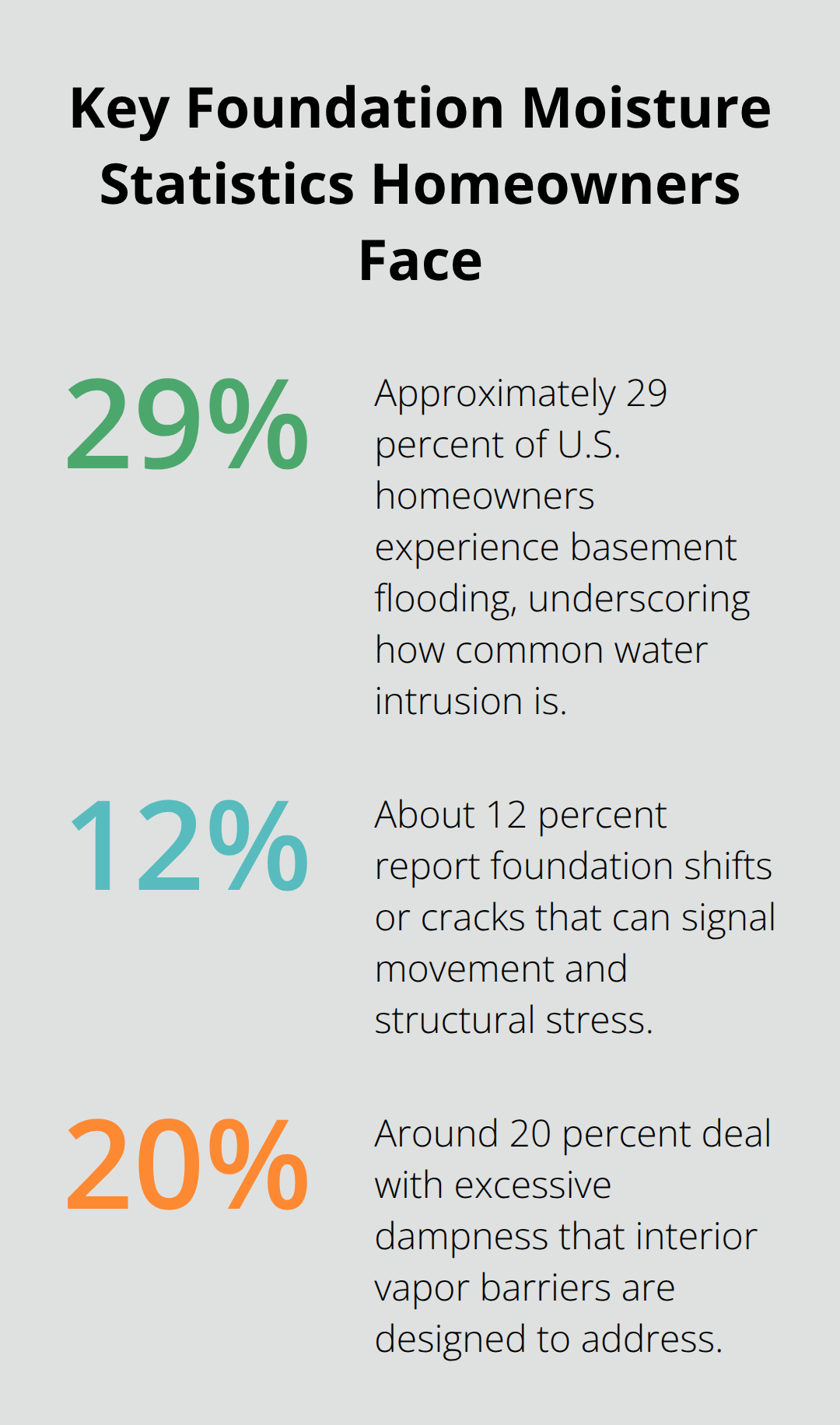
Cracks in foundation walls reveal two distinct problems: structural stress from hydrostatic pressure and soil settlement. Hairline cracks under 1/8 inch wide often result from concrete shrinkage, but foundation cracks wider than 1/4 inch indicate soil or water pressure pushes against walls or uneven soil movement occurs beneath your home. According to Angi’s data, approximately 29 percent of homeowners experience basement flooding, while 12 percent report foundation shifts and cracks.
Sticking doors, uneven floors, and visible wall displacement confirm structural settling is underway. Cold climates with freeze-thaw cycles accelerate this damage-soil expands when freezing and contracts when thawing, creating enormous pressure on foundations. Document seasonal changes by photographing cracks and noting floor level shifts; this tracking reveals whether movement is gradual or accelerating.
Early detection matters because small cracks widen rapidly once water penetrates them. Repairing walls while standing water exists risks electrocution hazards and prevents sealant adhesion. Understanding these warning signs prepares you to take action before moisture causes irreversible structural damage and forces expensive foundation repairs.
How to Stop Water at the Source
Block Water Before It Reaches Your Foundation
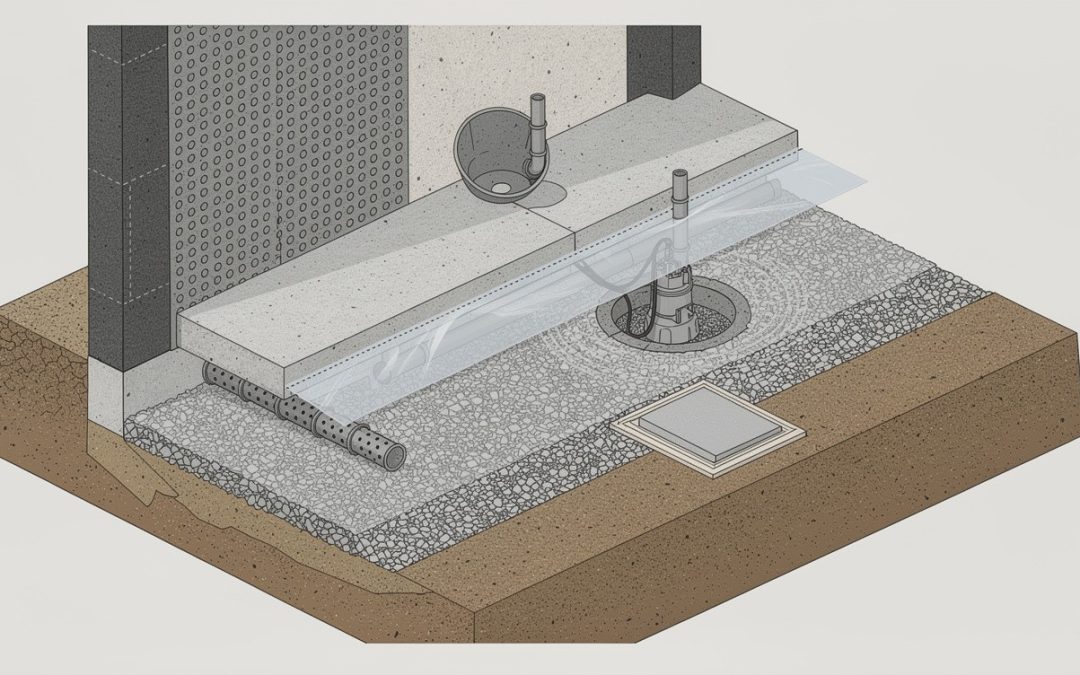
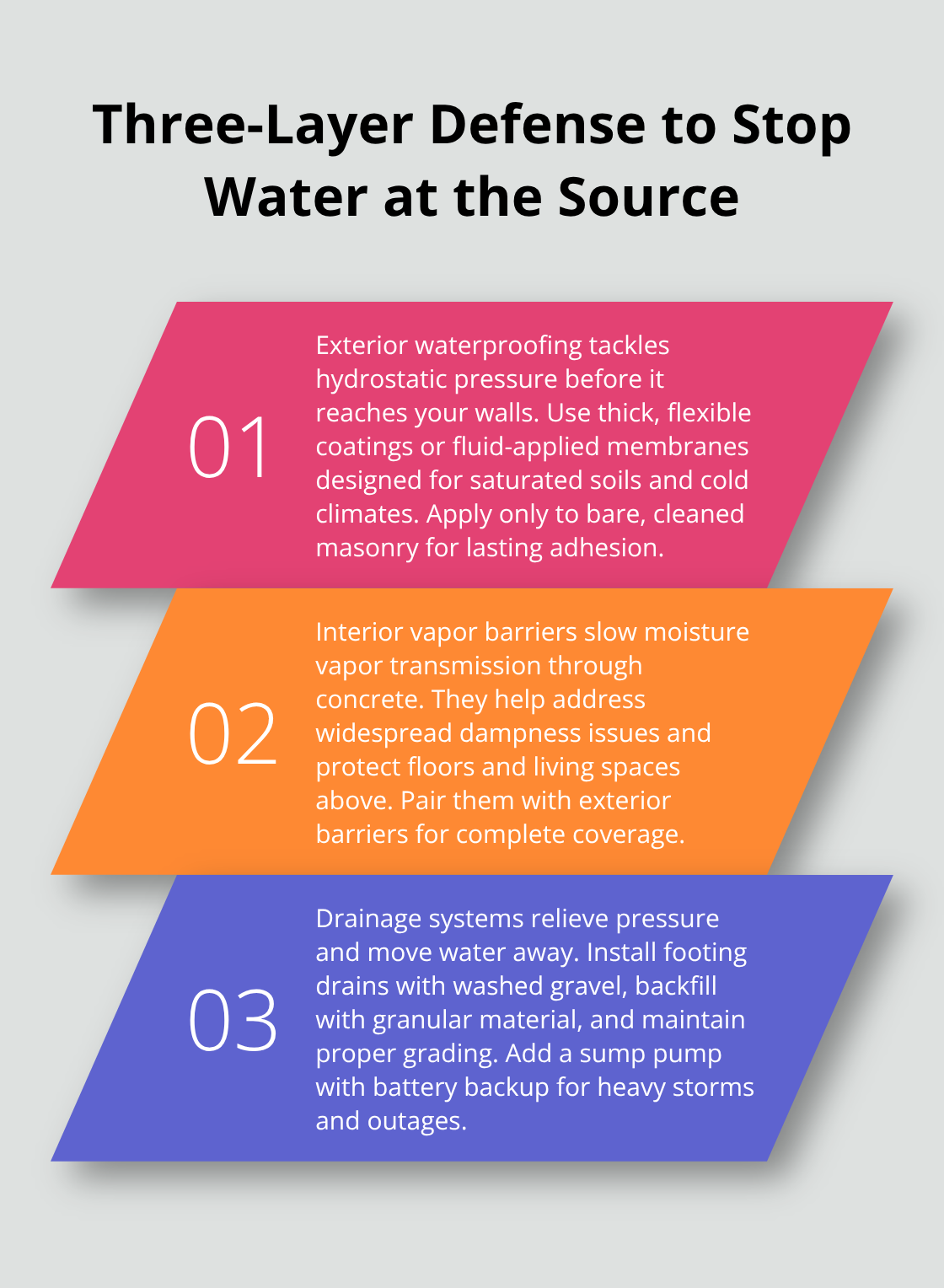
Stopping foundation moisture requires a three-layer defense: block water from entering, manage what does infiltrate, and direct excess away from your home. Interior sealants alone fail because they treat symptoms rather than causes. Exterior waterproofing combined with drainage systems addresses the root problem of hydrostatic pressure pushing water through concrete. Thick, flexible waterproof coatings resist the enormous pressure exerted by saturated soil. Fluid-applied membranes remain effective even in freezing conditions down to minus 20 degrees Fahrenheit, critical for cold climates where freeze-thaw cycles create additional stress. You must install these coatings over bare masonry only-remove existing paint with sandblasting or wire brushing beforehand, and eliminate efflorescence deposits to ensure proper adhesion.
Combine Exterior Barriers with Interior Vapor Protection
The exterior barrier must work alongside interior vapor barriers, which stop moisture vapor transmission through capillary action in concrete. Vapor barriers on the foundation floor prevent moisture from rising through the slab and into living spaces above, addressing the 20 percent of homeowners experiencing excessive dampness according to Angi’s research. Neither exterior coatings nor interior barriers alone achieve lasting protection; you need both working in tandem to create a complete moisture defense system.
Install Drainage Systems That Relieve Hydrostatic Pressure
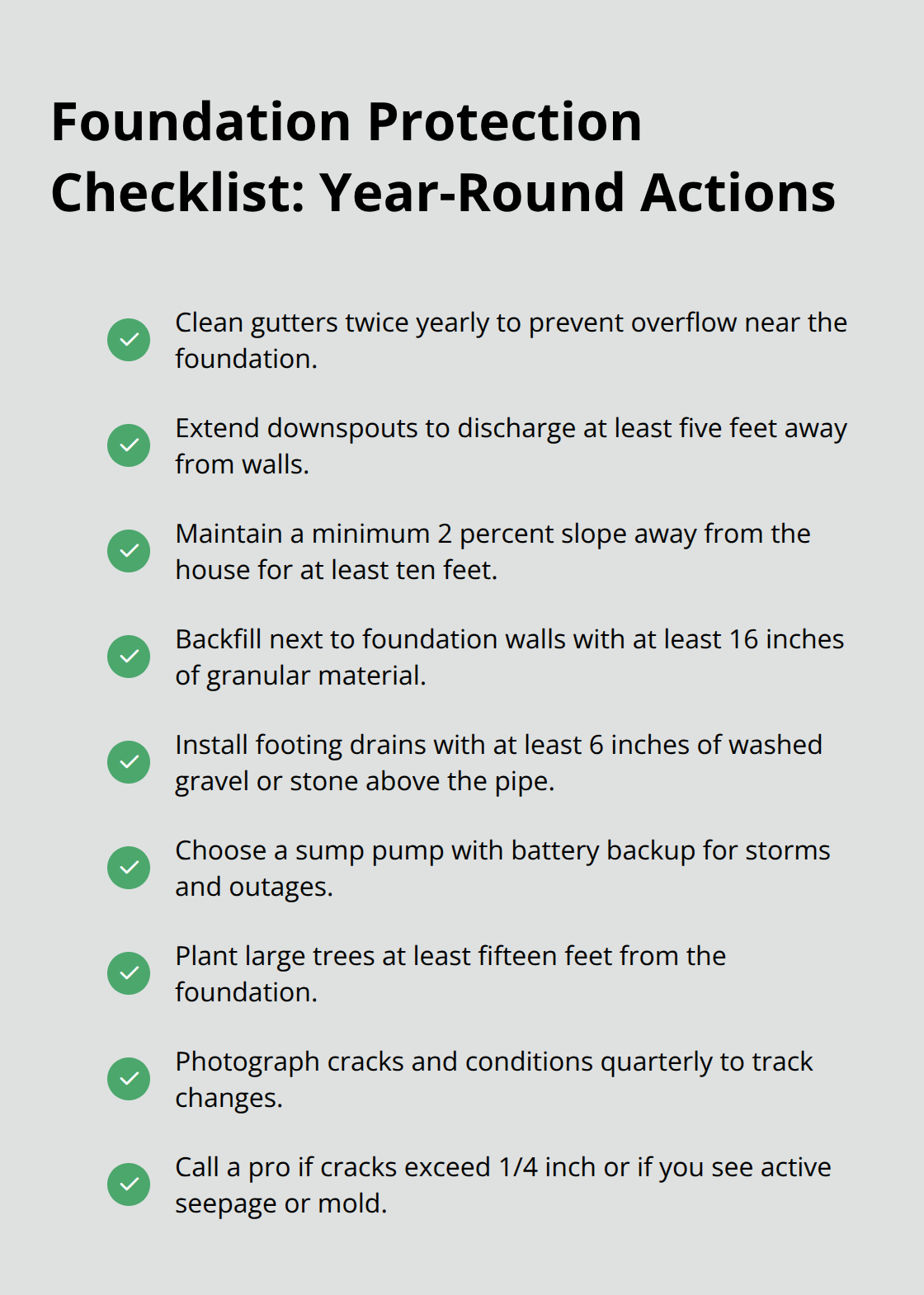
Drainage systems are the difference between temporary and permanent solutions. Footing drains-perforated piping around the foundation perimeter-direct water away before it accumulates, installed with at least 6 inches of washed gravel or stone above the pipe. You should backfill with at least 16 inches of granular material next to foundation walls, then slope the backfill approximately 10 feet away from the home to promote surface runoff. Grade your yard with a minimum 2 percent slope away from the foundation; professional regrading costs average $2,175 and dramatically reduces moisture intrusion. Sump pumps handle water that still reaches the basement, pumping it safely away from the foundation. Choose a model with battery backup because power outages often coincide with heavy rain events.
Create a Comprehensive Waterproofing System
Exterior French drains cost between $500 and $18,000 depending on scope, but they eliminate standing water that accelerates structural damage. A combined system using exterior drainage, exterior coatings, interior vapor barriers, proper grading, and a sump pump proves far more effective than any single method. This comprehensive approach relieves hydrostatic pressure, prevents water entry, and manages moisture that does infiltrate-the only strategy that protects against the 29 percent basement flooding rate homeowners face. With your foundation now fortified against water intrusion, the next step involves maintaining these systems and catching problems early through routine inspections and preventive care.
Keep Your Foundation Protected Year-Round
Maintain Gutters to Prevent Foundation Saturation
Your waterproofing system fails silently when maintenance lapses. Gutters clogged with debris overflow during heavy rain, allowing water to collect near foundations instead of draining away and undermining every drainage system you installed. Professional gutter cleaning removes buildup that causes overflow, directing water safely away from your home instead of pooling near the foundation where excess water increases soil pressure. Schedule gutter cleaning twice yearly in Central Oregon-once after spring runoff and again before winter snow-because sudden downpours hit fast and clogged gutters turn minor storms into foundation emergencies.
Direct Water Away From Your Foundation
Downspouts must discharge water at least five feet away from the foundation; closer distances allow water to percolate back toward walls. Inspect your yard after heavy rain to confirm water flows away from the house. If water pools near the foundation or runs toward it, you need immediate regrading. Poor grading is the single most common reason waterproofing fails because hydrostatic pressure from pooled water can drive groundwater into basements through gaps and cracks. Slope your yard away from the foundation at minimum 2 percent grade over at least ten feet; this prevents water accumulation that destroys your investment in drainage systems and sealants.
Choose Landscaping That Protects Your Foundation
Landscaping decisions directly impact foundation stability and moisture control. Large trees and shrubs with deep root systems cause uneven soil moisture and settlement as roots extract water from clay soils, then the soil shrinks and shifts when roots die or dormancy occurs. Plant large trees at least fifteen feet away from the foundation and favor shallow-rooted plants like ornamental grasses near the house. In freeze-thaw climates, clear snow from around the foundation perimeter and direct spring meltwater away because soil expansion during freezing creates enormous pressure on walls and can crack new sealant applications.
Track Foundation Changes Through Seasonal Inspections
Document foundation conditions quarterly by photographing wall cracks, measuring floor slopes, and noting new stains or efflorescence; this tracking reveals whether problems accelerate or stabilize. Small cracks under 1/8 inch wide need monitoring but not immediate repair, while cracks wider than 1/4 inch demand professional assessment within weeks. Hire a basement waterproofing specialist if you detect new cracks, active seepage, or mold growth, because moisture meters and thermal imaging reveal hidden water penetration that visual inspection misses. Early professional intervention can prevent costly foundation repairs that often require structural work.
Final Thoughts
Foundation waterproofing tips work best when you treat moisture prevention as an ongoing commitment rather than a one-time project. The warning signs you now recognize-efflorescence, musty odors, and foundation cracks-give you the advantage of early detection before structural damage becomes irreversible. Professional basement waterproofing averages around $5,200, while foundation repairs that address structural damage from neglected moisture can exceed $5,165 or far more depending on severity.
Your maintenance routine should become automatic: clean gutters twice yearly, inspect grading after heavy rain, photograph foundation conditions quarterly, and address new cracks or seepage within weeks of discovery. These small, consistent actions preserve structural integrity and prevent the pressure fluctuations that cause accelerated damage. A single instance of basement flooding affects approximately 29 percent of homeowners, yet most of these situations are preventable through proper drainage, grading, and maintenance.
If you detect active seepage, mold growth, cracks wider than 1/4 inch, or signs of structural settling, hire a basement waterproofing specialist immediately. Professionals use moisture meters and thermal imaging to reveal hidden water penetration that visual inspection cannot detect, and they assess your home’s specific conditions to recommend tailored solutions. Early professional intervention catches problems before they require expensive structural work and provides warranty-backed approaches that protect your investment long-term.